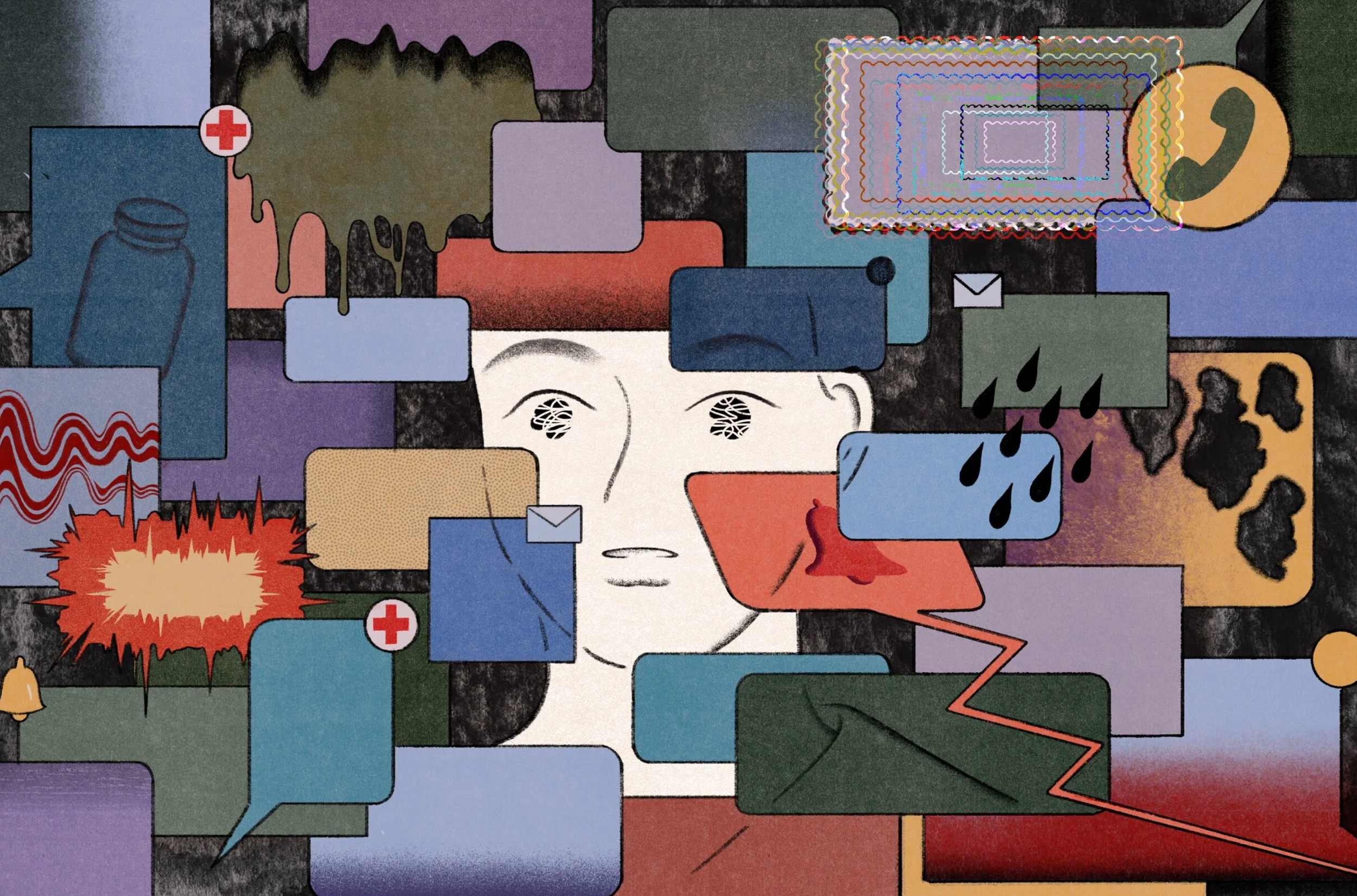
When I was thirteen years old, I was diagnosed with Friedreich’s Ataxia, a rare form of Muscular Dystrophy. As is usually the case when faced with a new, seemingly out-of-nowhere diagnosis, I spent hours online studying the various symptoms that came with it. Some were nothing new, dysfunctional traits that had been with me since I was small: Poor balance, awkward gait, issues with fine-motor skills, etc. These symptoms were nothing new to me, and were a part of me that I had accepted long ago as being traits that just made me uniquely, well, me. And then, of course, there were other, larger complications awaiting me just over the horizon; a beast lying in wait for the moment when its prey is most at ease to lash out with claws and teeth. The claws and teeth I had to look forward to were Hypertrophic Cardiomyopathy, which is a pretty gnarly heart condition (not good), Restrictive Lung Disease (also not good), losing the ability to walk entirely (also also not good), and then, the cherry on top, the possibility of a premature death (obviously not good).
Fortunately for me, upon my frightening diagnosis, I was assigned an amazing care team. Cardiologist, pulmonologist, neurologist—chances were, if they had a title that ended with “ologist,” they were there to treat me and help guide me through the newly unfolding world of disability like a shepherd guiding a particularly frightened sheep through a pasture of thorny brambles. However, in my case, I was not simply a frightened sheep, but a terrified little lamb who listened more to internet medical advice than that of his own doctors; not exactly the best thing for an anxious mind growing more anxious with each newly opened webpage.
For example, my process was as follows: Get an MRI on my heart; a few days later, the cardiologist examines the results and tells me that all is well, that I’m not on the brink of some catastrophic coronary blockage. Rather than accept this as good news, I would wonder to myself if maybe there was some hidden, unseen part of my heart that was malfunctioning. And then when I finally was hit with some errant, random pain in my chest, either triggered by anxiety or a normal bout of indigestion, I would immediately believe that I was on the cusp of death and that surely there was something the doctors had missed in their examinations. I would then turn to the internet, my old health buddy that knew everything and was never wrong, and my worst fears would be confirmed.
I existed in this cycle for many years. Get a good report from my doctors, feel some unexplained twinge of pain, seek medical advice from the internet, and then worry myself sick with what I read. Rinse, repeat. I had started on anxiety medication around this time, and while it definitely helped make things a touch less overwhelming, it wasn’t a panacea. Being in a state of constant panic and fear was a terribly unhealthy and completely unsustainable way of life, and the rational part of my brain was fully aware of this and knew that a change needed to be made.
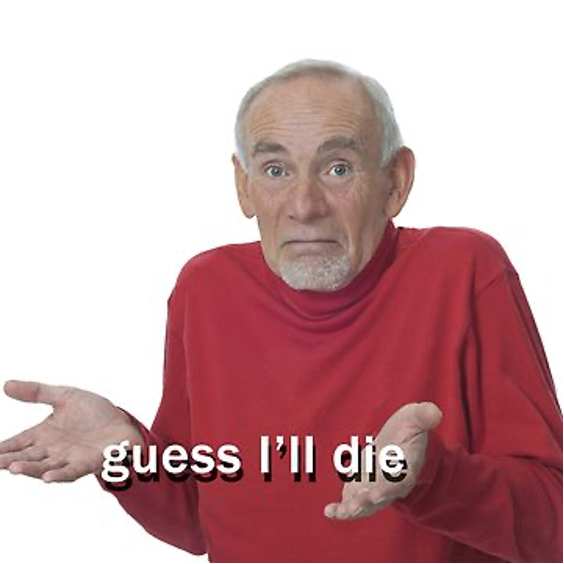
One day, as I was browsing the internet, I came across a meme that was fairly popular at the time. It was a photo of an older man in a red shirt, shrugging. The words “Guess I’ll die” were emblazoned at the bottom. I hadn’t thought much of the silly little image before, but this time, it was as if something had finally clicked within me.
Usually the meme was used in cases where the poster is faced with a dilemma of choosing between an obviously healthy option, albeit obnoxiously tedious, and an unhealthy option which was much more bearable. “Guess I’ll die,” meaning they’d take the unhealthy option any day of the week if it meant getting away from the soul-sucking tedium of the healthy choice.
For me, however, the meme took on an entirely new meaning. When faced with some meaningless health worry, for example, an arm or leg ache that was obviously just a mundane growing pain and nothing more, why not treat it in the same way? Why not view it with the same bored apathy as the man in the photo, shrugging it off with a “Guess I’ll die” attitude? So I took that new philosophy for a spin, just to see if it was worth anything. When I was faced with some body ache, the kind that was perfectly normal in a growing body, rather than immediately rushing to verify my symptoms through the internet or thrusting myself headlong into my own anxiety, I shrugged it off and went about my business. And the crazy thing was, it worked.
Now, it should go without saying that keeping up with your health, especially as a disabled person, is vitally important. If you ever have a medical concern, no matter how big or small, no matter how embarrassed you may feel bringing it up, you should always consult your doctor about it. And yes, it could end up being absolutely nothing, and you may feel mortified for having brought it up in the first place, but that embarrassment sure beats the socks off of finding out that that symptom was a precursor to something major that could’ve been corrected had you mentioned it sooner. But that wasn’t my issue. The problem that I was facing, an entirely irrational behavior that was ultimately harming me, was that I was ignoring my doctors who had assured me time and time again that I was in good shape, and I went to the internet with any conceived “health issue” that I faced, rather than discussing it with my doctors who knew my body and my condition better than even I did.
And it was a stupid internet meme of all things that helped me realize this and allowed me to fully enjoy life once again. You could argue that it was probably the friends and family telling me so, and you wouldn’t be wrong. You could also say that it was because of my anxiety medication making me less of a paranoid wreck, and that would also be completely fair. But a part of me, maybe the more poetically-inclined side, likes to imagine that it was some boring, stupid internet meme that helped pull me from that mental chasm. After all, change can emerge from the strangest of places.
Chase Rankin is a writer from North Carolina, living with Friedreich's Ataxia, a form of muscular dystrophy.
Follow Chase on Instagram at @chasegr20
Cover Photo: Jo Zixuan