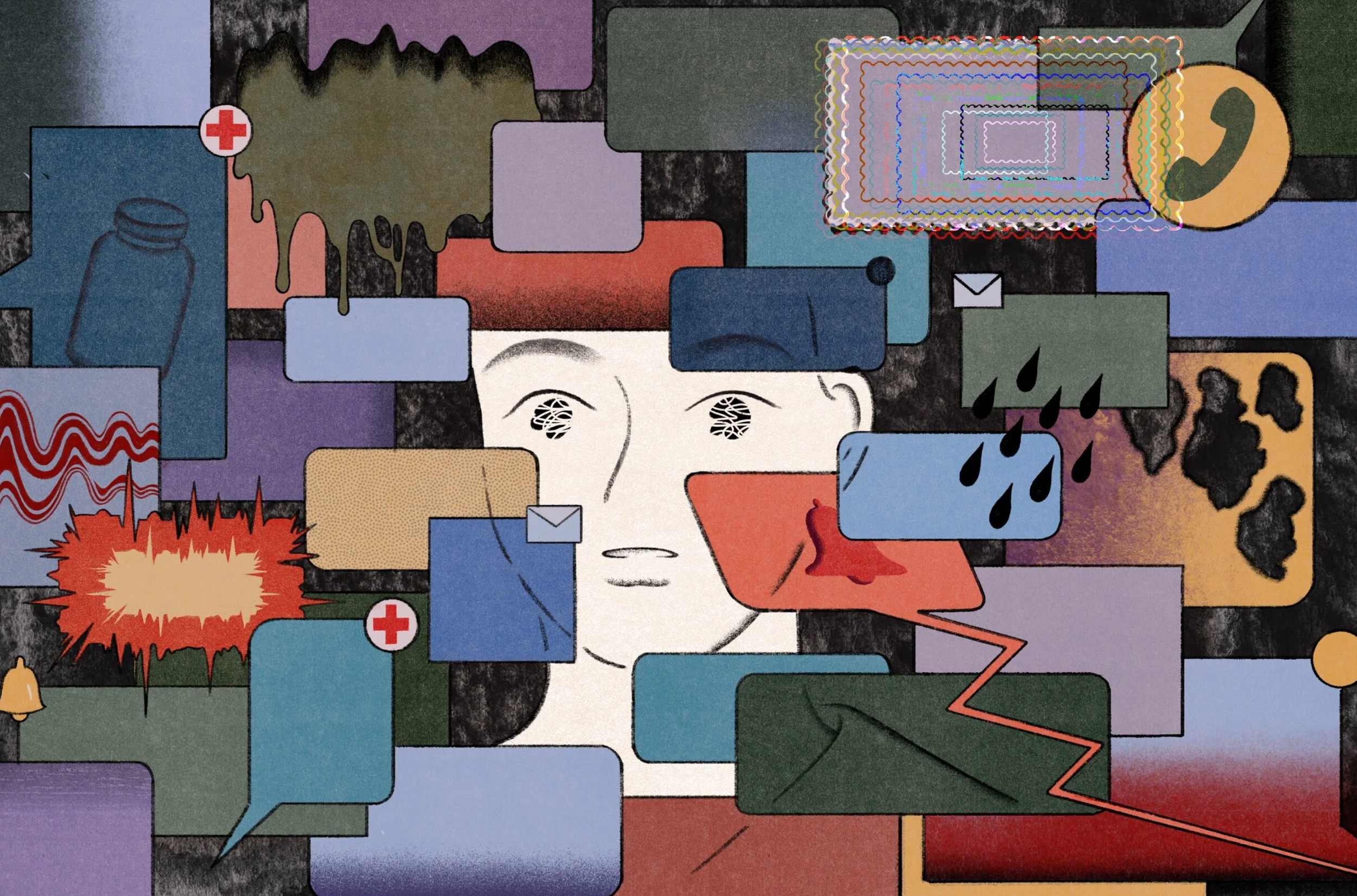
After being diagnosed with Friedreich’s Ataxia at thirteen, Chase found themselves caught in a cycle of health anxiety—turning every unfamiliar ache or symptom into another late-night internet search. Even with a trusted medical team and reassuring results, the fear was difficult to quiet. Then, unexpectedly, a silly meme offered a new way to step back from the spiral and trust what they already knew. This personal reflection looks at disability, medical anxiety, and the surprising places we sometimes find relief.
A fragmented prose exploring craving, consumption, and the ache of never feeling fulfilled. Through images of honey, sugar, crumbs, and an empty cookie jar, the piece moves between sweetness and dread, capturing the quiet exhaustion of reaching for something that always seems just out of reach.
A meditation on fractured perception, where clarity slips further away with every unanswered question. Through distorted imagery and lingering uncertainty, this prose explores the weight of isolation, mistrust, and the echoes left behind when support quietly disappears.
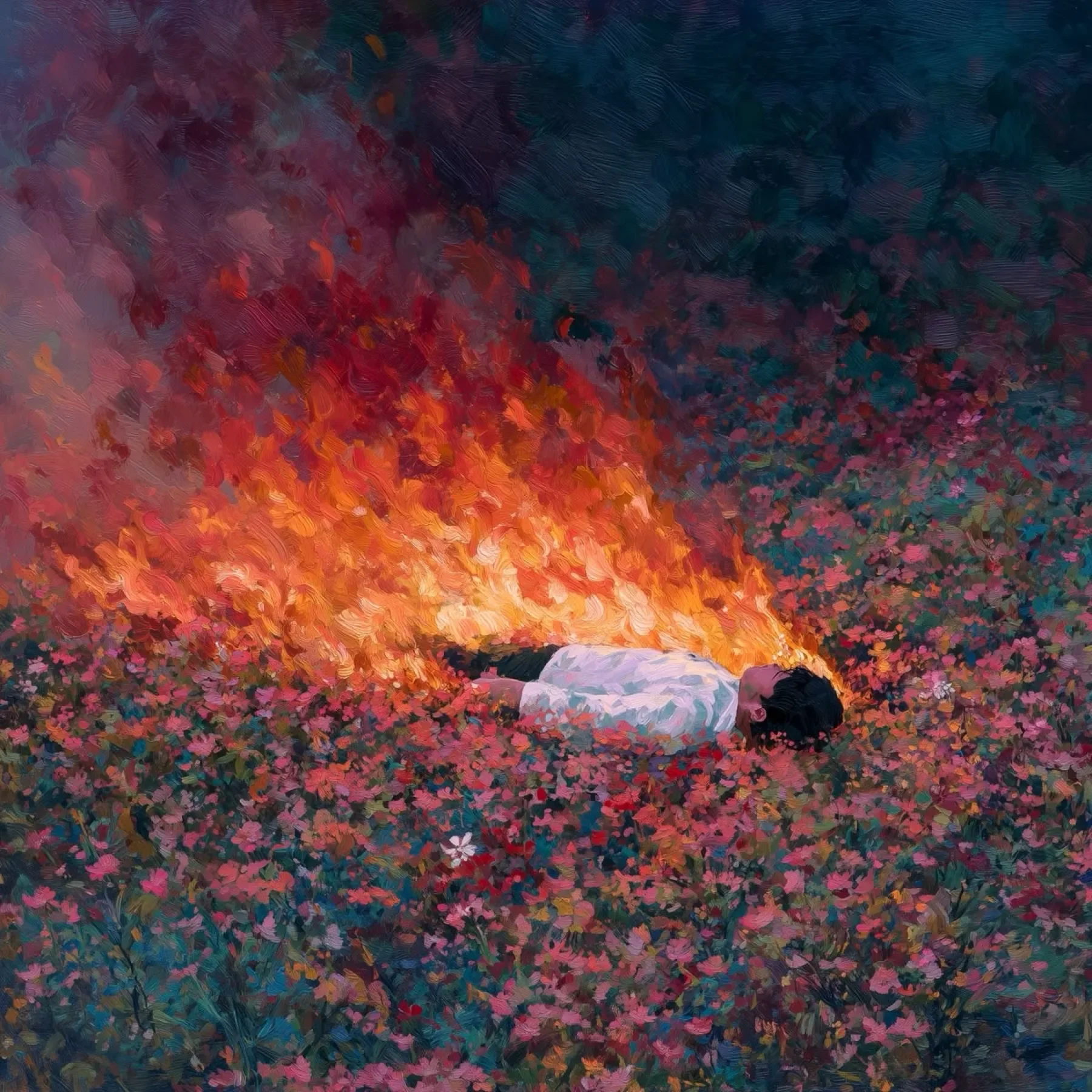
A haunting meditation on trauma, shame, and the painful cycle of trying to leave the past behind. As old wounds reopen and promises to oneself are broken, the piece captures the quiet struggle between self-preservation, remorse, and the hope that healing is still possible.
Woven between cadmium yellows and northern lights, this prose explores the pull of nostalgia and the comfort found within artistic exploration. The souvenirs we collect are not always tangible; sometimes they are the people, conversations, and fragments of ourselves we carry forward.
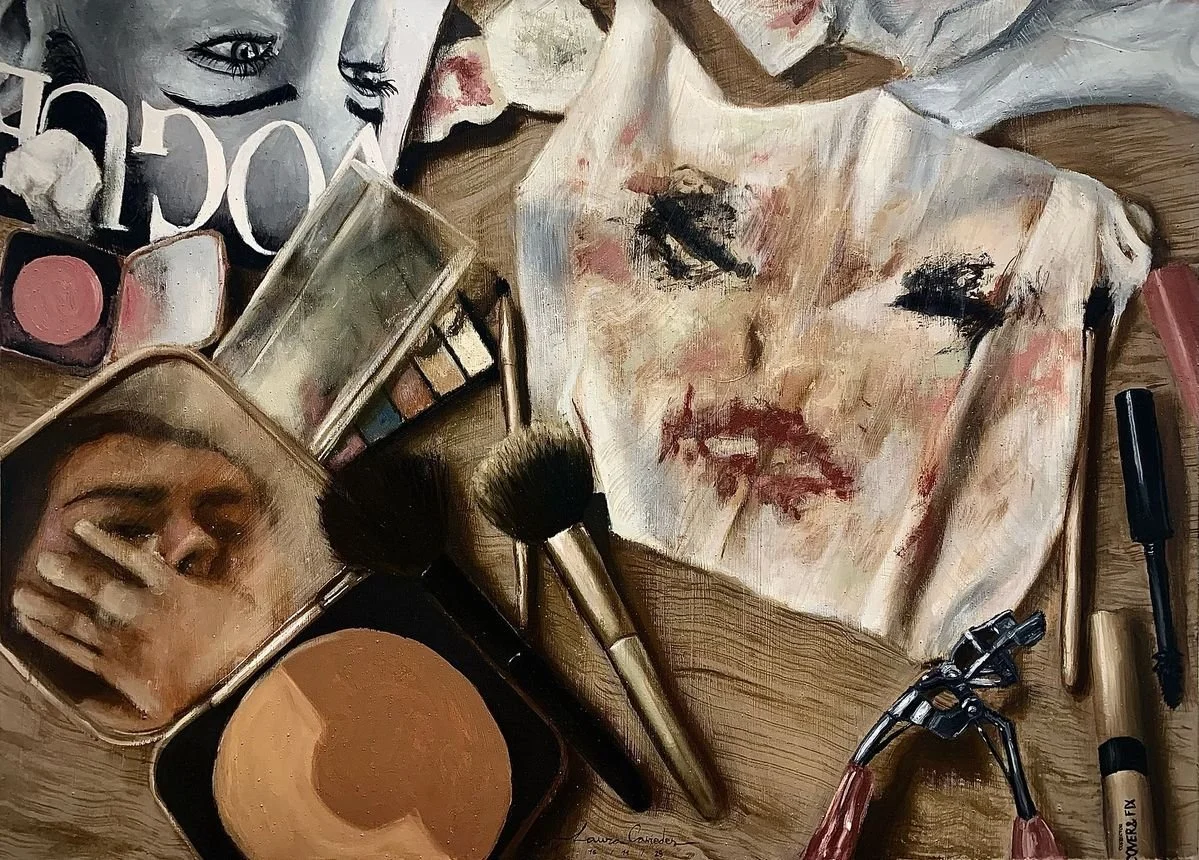
A quiet reckoning with the ache of being picked apart piece by piece. Through fragmented observations and striking imagery, the work reflects on the loneliness of existing beneath another's judgment and the deep yearning to be met with understanding instead of correction.
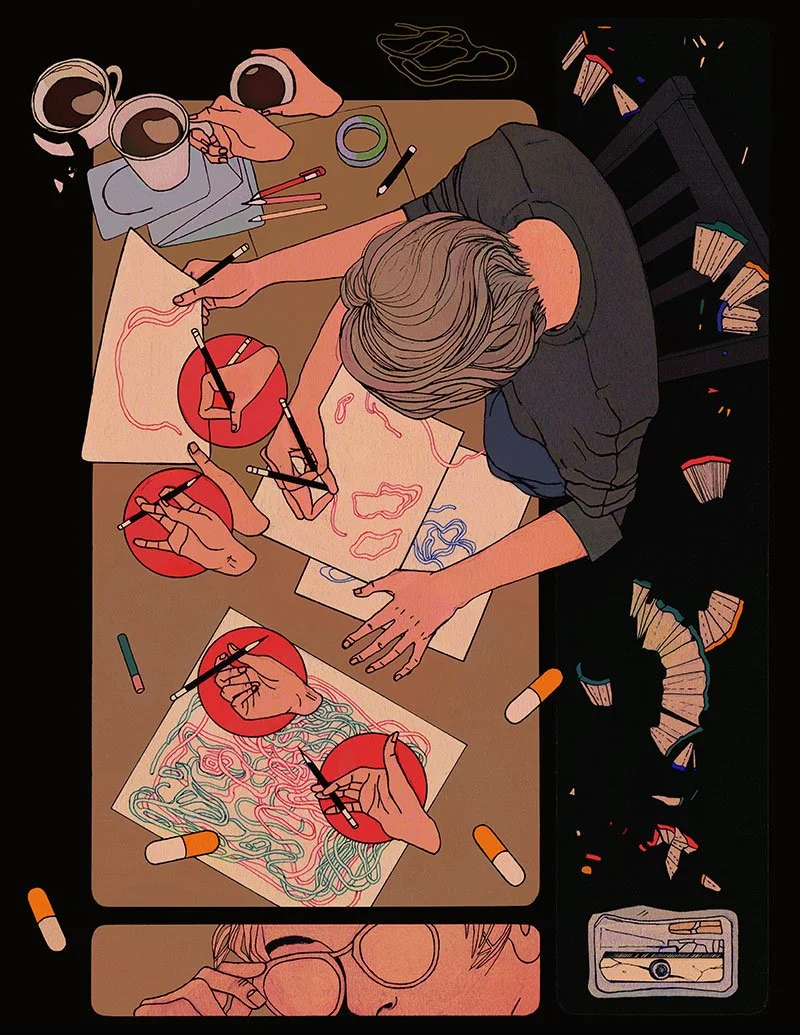
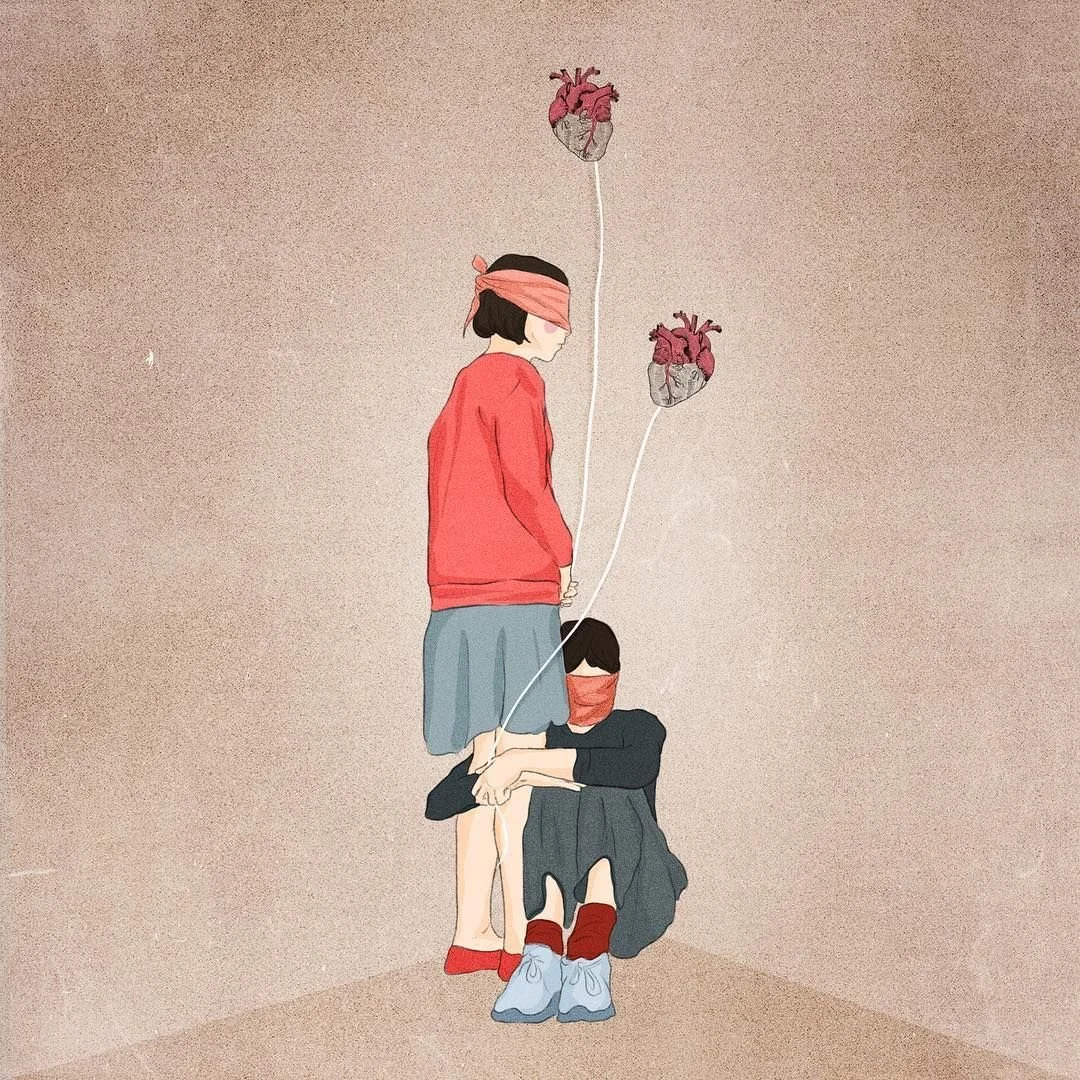
Desire untangles itself only to reveal the invisible strings of expectation beneath it. Through fractured promises and muted voices, this prose examines how the pursuit of acceptance can slowly confine creativity, identity, and the freedom to simply be.
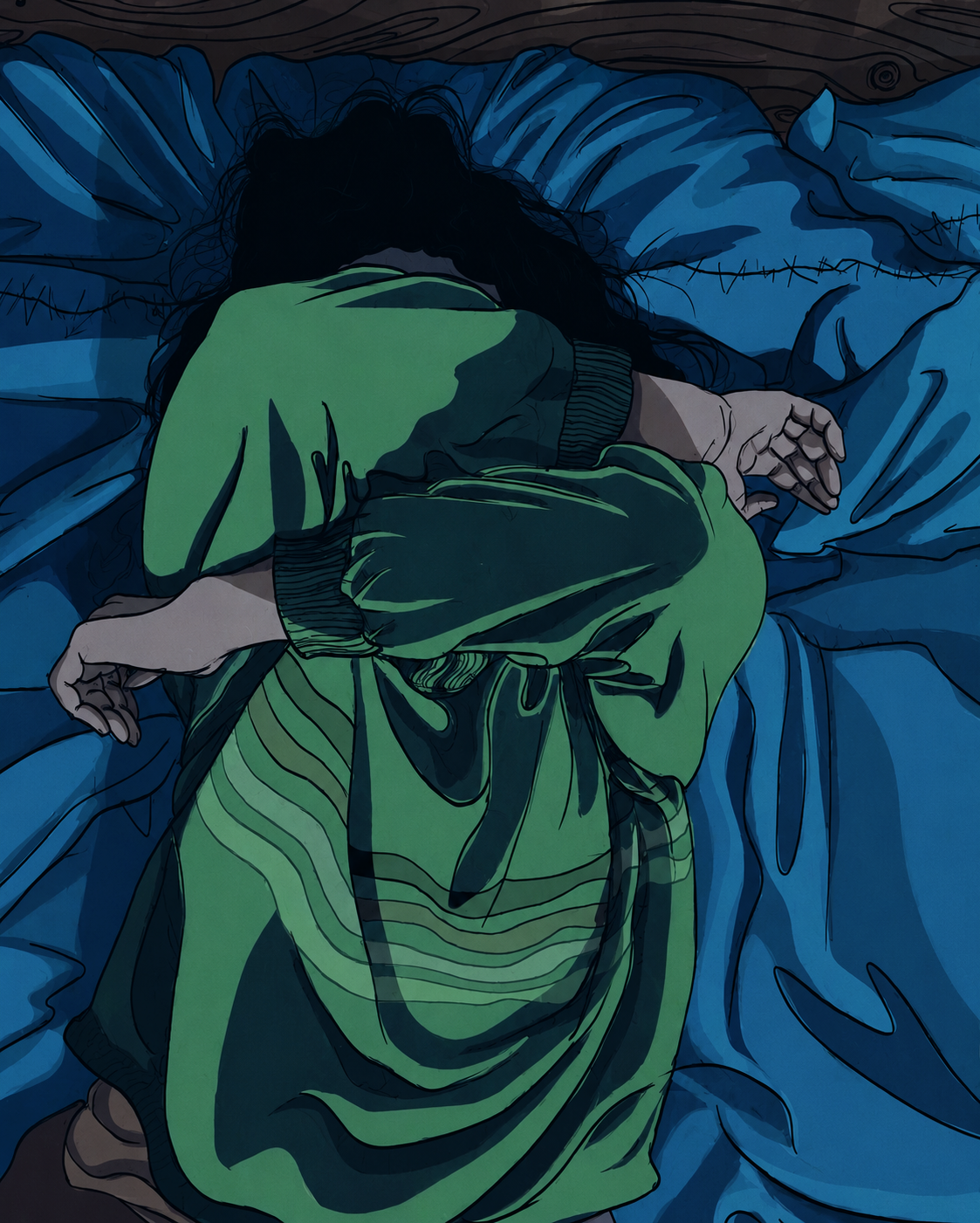
A fragmented expression of internal chaos, shame, and emotional exhaustion, where cries for help are drowned out by fear, memory, and self-doubt. The piece captures the weight of spiraling thoughts and the struggle to remain stable while unraveling internally.
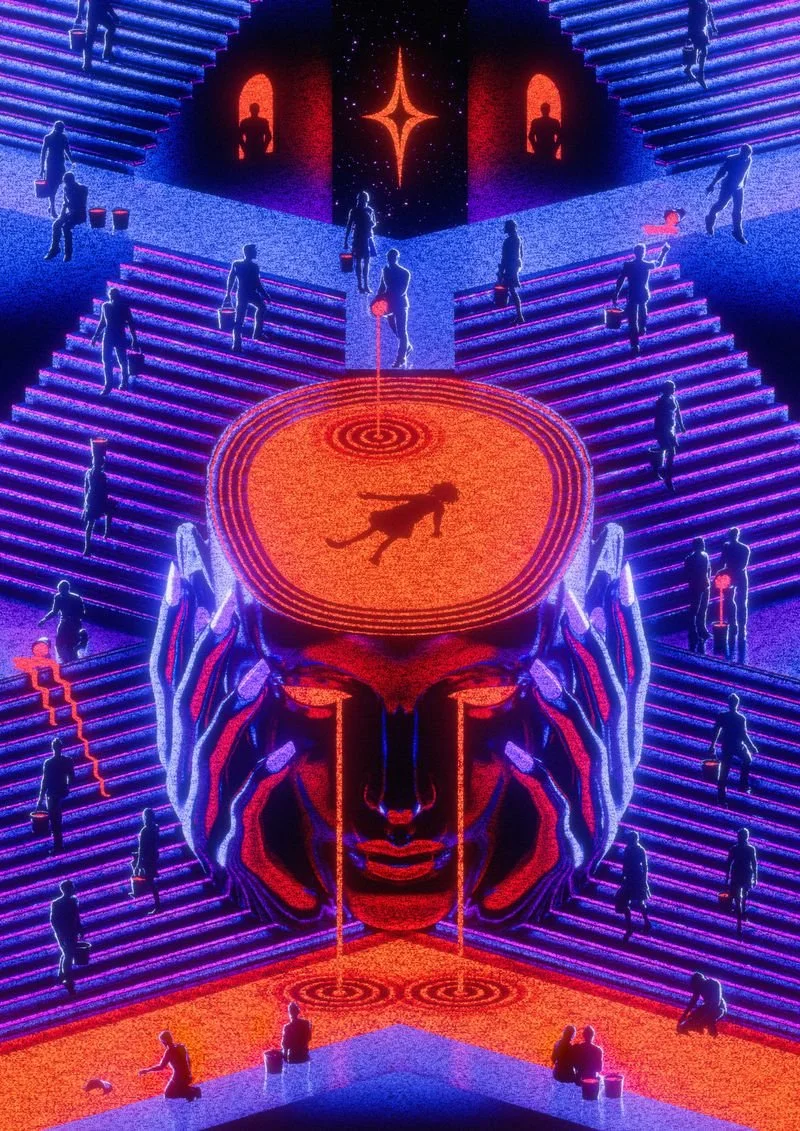
A quiet unraveling of emotional neglect, longing, and the exhaustion of seeking compassion where none is returned. Through fragmented thoughts and stark imagery, the piece reflects on feeling discarded, unseen, and trapped between survival and acceptance.
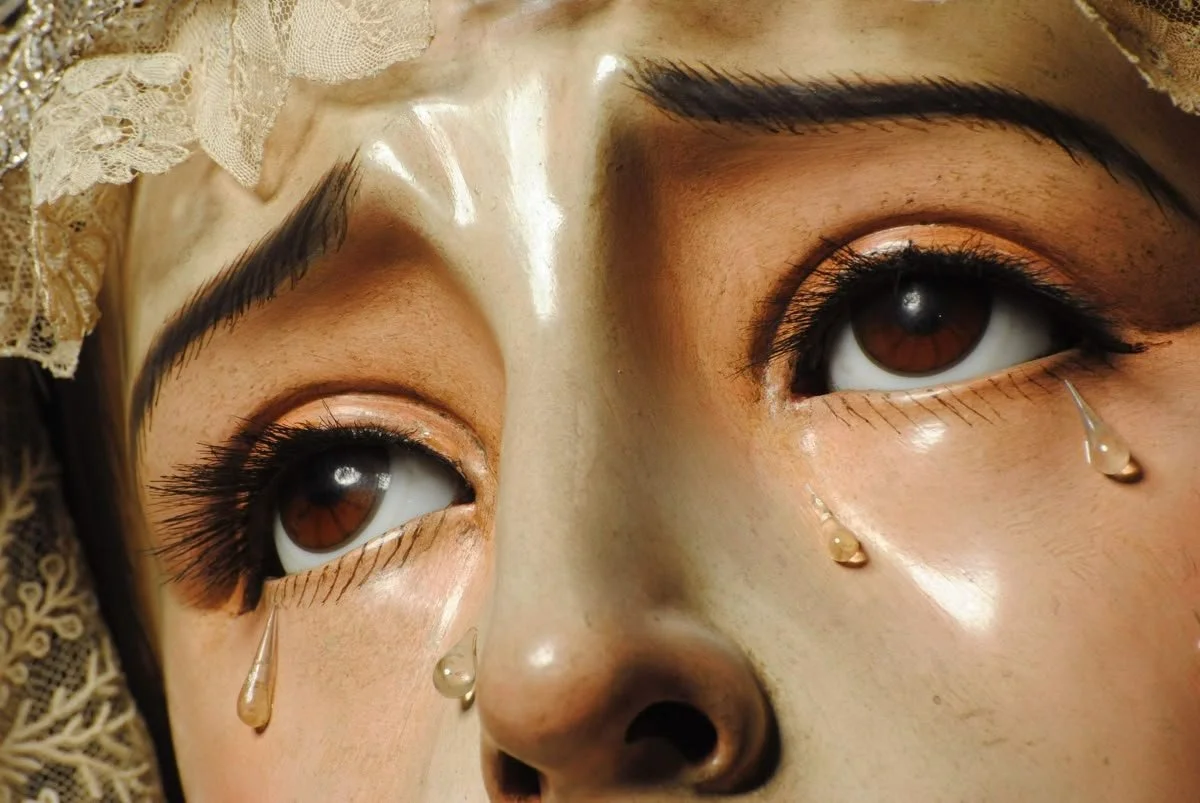
A fractured reflection of compassion and remorse unfolds like a shaken snow globe, where damaged hearts remain bound together despite the cracks. Splintered reflections, fragile emotions, and lingering sorrow drift through the stillness, leaving behind wounds that continue to cut long after the shaking stops.